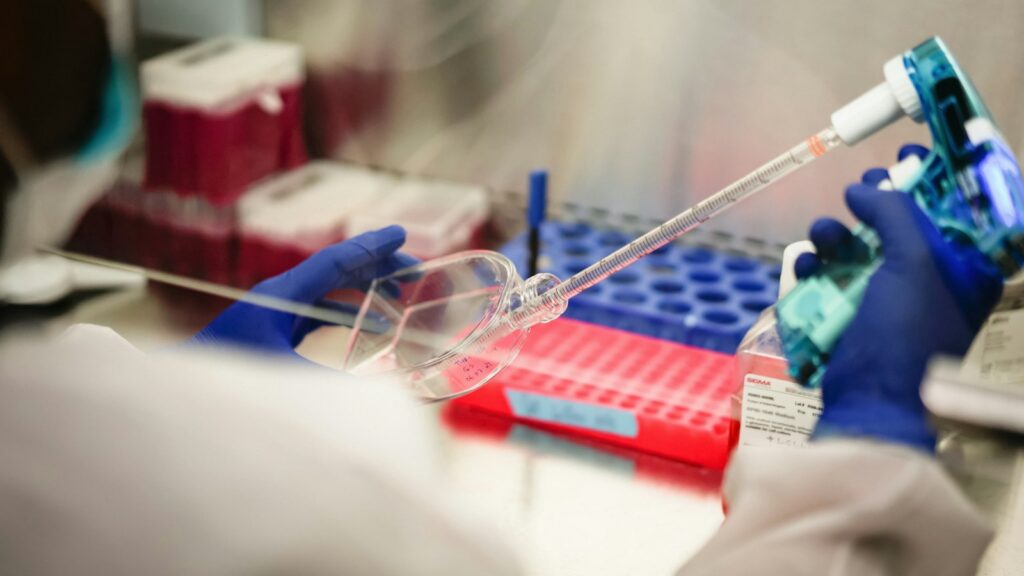
Inflammatory mediators are the chemical signals that turn an injury or infection into inflammation and, when things go right, switch it off again. Histamine from mast cells, bradykinin cut from a plasma protein, prostaglandins made from membrane lipids, cytokines such as interleukin-6: each has a source, a receptor and a job, and together they are the vocabulary inflammation research is written in.
This guide covers the mediators of inflammation class by class, the order in which they act, the cardinal signs they cause, acute versus chronic inflammation, resolution and measurement, then the research peptides studied as modulators, with the evidence level stated for each.
The short answer
- They are signals, not cells. Inflammatory mediators are molecules released by cells or generated in plasma that widen and loosen small vessels, recruit white blood cells, sensitize nerves and later help end the inflammatory response.
- Six classes do most of the work. Vasoactive amines (histamine, serotonin), lipid mediators (prostaglandins, leukotrienes, PAF), plasma cascades (complement, kinins such as bradykinin), cytokines and chemokines (IL-1β, TNF, IL-6, CXCL8), reactive species (nitric oxide, superoxide) and neuropeptides (substance P, CGRP).
- They act in waves. Stored and plasma-derived signals act within seconds to minutes, newly made lipids and cytokines follow as neutrophils arrive, and pro-resolving lipids appear as the response winds down.
- The cardinal signs trace back to them. Vasodilators give redness and heat; permeability factors such as histamine, bradykinin and C5a give swelling; bradykinin and prostaglandin E2 give pain; IL-1, IL-6 and TNF give fever.
- Resolution is active. In cell studies, neutrophils exposed to prostaglandin E2 switch from leukotriene B4 to lipoxin A4, though whether pro-resolving lipids reach bioactive levels in people is disputed.
- Measuring them is hard. Bradykinin lasts seconds in circulation, clotting makes some lipid mediators in the tube, and cytokine values shift with handling and assay kit.
- Peptide evidence is early. LL-37, VIP, KPV, ARA-290 and thymosin alpha-1 are studied as modulators, mostly in cells and animals, with a few small or negative human trials.
Inflammatory mediators
mediators of inflammation · chemical mediators
- What they are
- Signalling molecules from cells or plasma that start, amplify and help end inflammation
- Main classes
- Amines, lipid mediators, plasma cascades, cytokines and chemokines, reactive species, neuropeptides
- A fast example
- Histamine, released from mast-cell granules within seconds of activation
- Peptide mediators
- Bradykinin (9 residues), CGRP (37), C5a (74), C3a (77)
- Measured by
- ELISA, multiplex bead panels, LC–MS/MS
Where the evidence stands
- Identified in cells and tissues
- Mechanisms mapped in animals
- Drug targets in people
- A settled human role for pro-resolving lipids
Histamine, prostaglandins and IL-6 are textbook biology and drug targets; whether pro-resolving lipids act at bioactive levels in people is still argued over.
What inflammatory mediators are
An inflammatory mediator is any molecule that carries the inflammatory message from where damage or infection is detected to the vessels, white blood cells and nerves that respond. Some are stored ready-made, like histamine in mast-cell granules. Some are cut from inactive plasma proteins, like bradykinin and the complement fragments C3a and C5a. Others are synthesized only after a cell is activated, like prostaglandins and cytokines. Signalling inside the responding cell, including the NF-κB pathway, is covered in our NF-κB guide.
The main classes of mediators
Vasoactive amines
Mast cells store histamine in prepackaged granules and release it within seconds of activation, for instance when antigen cross-links IgE on their FcεRI receptors. Through the H1 receptor, histamine contracts smooth muscle and increases capillary permeability through contraction of terminal venules. Most peripheral serotonin is made in the gut and stored in platelets; unlike rodent mast cells, human mast cells normally contain little or none, a difference worth remembering when reading mouse studies. Experimental work links serotonin to early edema and neutrophil recruitment.
Lipid mediators
Phospholipases release arachidonic acid from membranes, and cyclooxygenases turn it into prostaglandins. COX-1 is constitutive in most cells and COX-2 is induced by inflammatory stimuli. Prostaglandins take part in redness, swelling and pain: prostacyclin (PGI2) is a potent vasodilator, and prostaglandin E2 acting on sensory neurons produces pain. NSAIDs inhibit both COX enzymes at the active site, which is how they cut prostaglandin output. Lipoxygenase products, the leukotrienes, split two ways: leukotriene B4 promotes leukocyte adhesion, chemotaxis and superoxide generation, while leukotrienes C4, D4 and E4 constrict airways and increase vascular permeability. Platelet-activating factor (PAF), an ether phospholipid released by activated mast cells, completes the group. A 2008 study led from St. Michael’s Hospital in Toronto found serum PAF rising with the severity of anaphylaxis, and activity of PAF acetylhydrolase, the enzyme that inactivates it, inversely related to severity.
Plasma cascades
Complement activation cleaves C3 and C5 into the anaphylatoxins C3a and C5a, peptides of 77 and 74 residues. C5a increases vascular permeability, triggers histamine release from mast cells and basophils and directs neutrophils to the site; C3a also activates mast cells and basophils. The kinin bradykinin is a nine-residue peptide (Arg-Pro-Pro-Gly-Phe-Ser-Pro-Phe-Arg) that plasma kallikrein releases from high-molecular-weight kininogen. In contact activation, coagulation factor XII activates on negatively charged surfaces and converts prekallikrein to kallikrein, with C1-inhibitor as the main brake. Bradykinin dilates vessels, makes small vessels leaky and mediates pain, acting mainly at the B2 receptor, which is widespread in normal tissue. Most people with hereditary angioedema carry mutations in SERPING1, the C1-inhibitor gene, and bradykinin is a key suspect in their swelling attacks; ACE inhibitors, which slow bradykinin breakdown, are associated with angioedema in a small fraction of users.
Cytokines and chemokines
IL-1, IL-6 and TNF, released by macrophages and dendritic cells, are the classic pyrogenic cytokines. In the brain they raise COX-2 synthesis, and prostaglandin E2 acting on EP3 receptors in the median preoptic nucleus produces fever of roughly 1 to 4 °C. In mice, fever after bacterial lipopolysaccharide fails to develop without IL-6. IL-6 also drives the liver’s acute-phase response, including C-reactive protein, and tocilizumab, an antibody against its receptor, is approved for rheumatoid arthritis. The chemokine CXCL8 (interleukin-8) recruits and activates neutrophils through CXCR1 and CXCR2.
Reactive species
Endothelial nitric oxide relaxes vascular smooth muscle through cGMP. In inflammation the inducible enzyme iNOS (NOS2) matters more: interferon-gamma acting with lipopolysaccharide, TNF or IL-1β switches it on, and macrophage nitric oxide is bactericidal and tumoricidal. Phagocytes also make superoxide through the NOX2 NADPH oxidase; inherited NOX2 defects cause X-linked chronic granulomatous disease, with recurrent bacterial and fungal infections. See our guide to Nrf2 and oxidative stress.
Neuropeptides
Stimulated sensory nerve endings release substance P, proposed in 1979 as the neurogenic mediator of vasodilation and plasma extravasation, and CGRP, a 37-residue neuropeptide and highly potent vasodilator acting through the CALCRL–RAMP1 receptor. CGRP antagonists have been developed for migraine. This nerve-driven component is called neurogenic inflammation; see our neuropeptides guide.
Mediators act in waves
Stored and plasma-derived signals need no new synthesis, so they act first; lipid mediators and cytokines must be made, and they appear as neutrophils arrive. In a 2001 study of inflammatory exudates, leukotrienes and prostaglandins appeared early with neutrophil recruitment, and lipoxin biosynthesis followed, concurrent with spontaneous resolution.
The five cardinal signs and their mediators
The five cardinal signs, still known by their Latin names, are the visible ends of vascular and nervous events that trace to particular mediators. Not every sign can be seen when the inflamed tissue is an internal organ.
| Sign | What is happening | Mediators most involved |
|---|---|---|
| Redness (rubor) | Vessels dilate; local blood flow rises | Prostaglandins (PGI2, PGE2), nitric oxide, bradykinin, CGRP, substance P |
| Heat (calor) | Locally, more blood flow; body-wide, fever | Local vasodilators; for fever, IL-1, IL-6 and TNF acting through brain prostaglandin E2 |
| Swelling (tumor) | Small vessels leak plasma into tissue | Histamine (H1), bradykinin, C5a, leukotrienes C4 to E4, substance P, prostaglandins |
| Pain (dolor) | Sensory nerve endings are activated and sensitized | Bradykinin, prostaglandin E2 |
| Loss of function (functio laesa) | Swelling and pain limit movement; scar can replace working tissue | The mediators above, combined |
Acute vs chronic inflammation
Acute inflammation begins immediately after injury and typically lasts a few days. Inflammation persisting beyond about six weeks is chronic and can last months or years when the acute phase fails to resolve. A 2019 review linked a low-grade, non-infective systemic form to cardiovascular disease, cancer, diabetes, chronic kidney disease and non-alcoholic fatty liver disease, noting that no standard biomarkers for it yet exist.
| Feature | Acute inflammation | Chronic inflammation |
|---|---|---|
| Time course | Starts immediately; typically a few days | Beyond about six weeks; months or years |
| Main cells | Neutrophils and macrophages | Macrophages, T lymphocytes, plasma cells |
| Mediator pattern | Amines, kinins and lipids, then cytokines, then lipoxins | Persistent signalling, such as continual IL-6 synthesis |
| Usual outcome | Resolution and full recovery | Tissue damage and fibrosis |
Resolution: switching inflammation off
Resolution is not simply a fade-out. A healthy response is self-limited, and its resolution phase is now understood as biochemically active; one influential model holds that it is driven by specialized pro-resolving mediators (SPMs): lipoxins, made from arachidonic acid, and resolvins, protectins and maresins, made from the omega-3 fatty acids EPA and DHA. Reported actions include promoting resolution, helping clear microbes and reducing pain. The switch shows up in exudates, and in cell experiments human neutrophils exposed to prostaglandin E2 shifted their output from leukotriene B4 to lipoxin A4, so the prostaglandins that help drive the early phase also help set up its end.
The human evidence is contested. A 2022 review concluded that human leukocytes have at most a low capacity to make SPMs, that the proposed SPM receptors lack support from knockout-mouse studies, and that the low levels reported cannot be reliably quantified with the most commonly reported methods.
LL-37, ARA-290, thymosin alpha-1 and the rest of the recovery and repair range are laboratory reagents, priced in CAD.
Browse recovery & repairHow mediators are measured in research
Cytokines and chemokines are measured by immunoassay, one at a time by enzyme-linked immunosorbent assay (ELISA) or many at once on multiplex bead platforms that can read up to about 100 mediators from a small sample. Lipid mediators are mostly measured by LC–MS/MS, which separates isomers better than immunoassays; see our LC-MS explainer. The bigger problems arise before the assay:
- Short lives. Bradykinin survives only a few seconds in circulation, which makes it hard to detect.
- Made in the tube. Clotting blood for serum causes massive ex vivo formation of thromboxane B2 and 12-HETE, and prostaglandin E2 can form in whole blood left at room temperature, so lipid samples should be processed fast and kept at −80 °C.
- Drift. In one evaluation, only 2 of 15 cytokines stayed stable through several freeze–thaw cycles, and its authors note that processing delays change profiles and that commercial kits disagree widely, so values are most meaningful within one platform.
- Contamination. Lipopolysaccharide (endotoxin) stimulates pyrogenic cytokine synthesis through TLR4, so a contaminated reagent can manufacture the readout; see endotoxin in research peptides.
Where research peptides come in
Some mediators are peptides themselves, from bradykinin to the anaphylatoxins and CGRP. Several research peptides are also studied as modulators of these signals, at very different evidence levels.
LL-37
LL-37, the 37-residue C-terminal peptide of hCAP18 and the only known human cathelicidin, is made by neutrophils and epithelial cells. Besides killing microbes, it chemoattracts human neutrophils, monocytes and T cells through formyl peptide receptor-like 1 in cell experiments; that receptor, now FPR2/ALX, is also the lipoxin A4 receptor and binds annexin A1. LL-37 can amplify inflammation too: in human cells and psoriatic skin samples it turned self-DNA into a potent trigger of interferon production by plasmacytoid dendritic cells. See our LL-37 guide and antimicrobial peptides explained.
VIP
VIP, a 28-residue neuropeptide whose receptors are described as mainly neuroprotective and immunomodulatory, significantly reduced the incidence and severity of collagen-induced arthritis in mice. That is animal evidence; see our VIP overview.
KPV
KPV (Lys-Pro-Val) is residues 11 to 13 of alpha-MSH. In mouse colitis models, mice given KPV recovered sooner with fewer inflammatory infiltrates, partly independently of the melanocortin-1 receptor. This is mouse work; see our KPV guide.
ARA-290
ARA-290 (cibinetide) is described in its trials as an innate repair receptor agonist. In a 28-day phase 2b trial in 64 people with sarcoidosis-associated small nerve fibre loss, the primary endpoint, change in corneal nerve fibre area, was significant only in the middle of three active arms, and pain fell in all groups: an early signal on a surrogate measure. See our ARA-290 guide.
Thymosin alpha-1
Thymosin alpha-1, a 28-residue N-acetylated peptide from prothymosin alpha, is studied as an immunomodulator. In the phase 3 TESTS trial of 1,106 adults with sepsis, 28-day mortality was 23.4% with it and 24.1% with placebo (hazard ratio 0.99), and the authors found no clear evidence that it lowered mortality. See our thymosin alpha-1 guide.
What’s established and what isn’t
Reasonably well established
- Histamine is stored in mast-cell granules and increases capillary permeability through H1.
- Bradykinin is a nine-residue peptide cut from kininogen by plasma kallikrein and inactivated by enzymes including ACE.
- Prostaglandins take part in redness, swelling and pain, and NSAIDs inhibit both COX enzymes.
- IL-1, IL-6 and TNF cause fever through brain prostaglandin E2; IL-6 drives the acute-phase response.
- In acute exudates, lipid output shifts from leukotrienes towards lipoxins.
Open questions
- Whether pro-resolving mediators reach bioactive levels in human tissue and act through the proposed receptors.
- How to define and measure harmful systemic chronic inflammation.
- How comparable cytokine values are across assay platforms.
- Whether LL-37’s net effect in a given tissue is pro- or anti-inflammatory.
- Whether the mouse findings for VIP and KPV, and ARA-290’s early trial signal, hold up in people.
Sourcing inflammation-research peptides in Canada
Inflammation assays are sensitive to what is in the vial, because their readouts are exactly what contaminants trigger. When buying research peptides in Canada for this work:
- Ask for a batch-matched certificate showing identity by mass spectrometry and purity by HPLC, and check the batch number against the vial; see our COA guide and HPLC testing guide.
- Ask about endotoxin before using a peptide on immune cells.
- Plan controls, including a vehicle and, where possible, a scrambled-sequence peptide.
- Store lyophilized material cold, dry and dark; see the peptide storage guide.
 LL-37Human cathelicidin; chemoattractant through FPR2View product
 VIP28-residue neuropeptide; mouse arthritis studiesView product
 ARA-290Innate repair receptor agonist used in inflammation researchView product
 Thymosin Alpha-128-residue peptide studied as an immunomodulatorView product
Research use only. Pure Peptides Canada products are laboratory reagents for in-vitro research, not for human or veterinary use. This article explains published research for education; it is not medical, dietary or dosing guidance.
Frequently asked questions
What are inflammatory mediators?
Inflammatory mediators are molecules that carry the inflammatory signal from a site of injury or infection to blood vessels, white blood cells and nerves. Some are stored ready-made, like histamine; some are cut from plasma proteins, like bradykinin and C5a; others are made on demand, like prostaglandins and cytokines. Together they produce the signs of inflammation and later help end it.
What are the five cardinal signs of inflammation?
They are redness (rubor), heat (calor), swelling (tumor), pain (dolor) and loss of function (functio laesa). Redness and heat come from increased blood flow, swelling from plasma leaking out of small vessels, and pain from mediators such as bradykinin and prostaglandin E2 acting on sensory nerves. Loss of function follows from swelling, pain or scarring.
What does bradykinin do in inflammation?
Bradykinin is a nine-amino-acid peptide released from high-molecular-weight kininogen by plasma kallikrein. It dilates blood vessels, makes small vessels leaky and mediates pain, mainly through the B2 receptor. Enzymes including angiotensin-converting enzyme break it down within seconds, and it is a key suspect in the swelling attacks of hereditary angioedema.
What is the difference between acute and chronic inflammation?
Acute inflammation begins immediately after injury, involves neutrophils and fast-acting mediators, and typically lasts a few days before an active resolution phase ends it. Chronic inflammation persists beyond about six weeks, involves macrophages, T lymphocytes and plasma cells, and can cause tissue damage and fibrosis.
What are specialized pro-resolving mediators?
They are lipid signals proposed to switch inflammation off actively: lipoxins, made from arachidonic acid, and resolvins, protectins and maresins, made from the omega-3 fatty acids EPA and DHA. Their role in people is disputed, because a 2022 review concluded that the low levels reported cannot be reliably quantified with the most commonly reported methods.
How are inflammatory mediators measured?
Cytokines and chemokines are measured by immunoassay, either singly by ELISA or many at once on multiplex bead platforms, and lipid mediators by LC-MS/MS. Sample handling matters as much as the assay: bradykinin lasts seconds in circulation, clotting creates some lipid mediators in the tube, and cytokine values shift with freeze-thaw cycles and the kit used.
Inflammation-research peptides from a Canadian supplier
LL-37, ARA-290, thymosin alpha-1 and related research peptides, priced in Canadian dollars and shipped tracked within Canada. Checkout accepts credit and debit cards, Interac e-Transfer and cryptocurrency.
References
- Lembeck F, Holzer P. Substance P as neurogenic mediator of antidromic vasodilation and neurogenic plasma extravasation. Naunyn Schmiedebergs Arch Pharmacol. 1979;310(2):175–183. DOI
- Samuelsson B. Leukotrienes: mediators of immediate hypersensitivity reactions and inflammation. Science. 1983;220(4597):568–575. DOI
- Yang D, Chen Q, Schmidt AP, et al. LL-37, the neutrophil granule- and epithelial cell-derived cathelicidin, utilizes formyl peptide receptor-like 1 (FPRL1) as a receptor to chemoattract human peripheral blood neutrophils, monocytes, and T cells. J Exp Med. 2000;192(7):1069–1074. DOI
- Delgado M, Abad C, Martinez C, Leceta J, Gomariz RP. Vasoactive intestinal peptide prevents experimental arthritis by downregulating both autoimmune and inflammatory components of the disease. Nat Med. 2001;7(5):563–568. DOI
- Levy BD, Clish CB, Schmidt B, Gronert K, Serhan CN. Lipid mediator class switching during acute inflammation: signals in resolution. Nat Immunol. 2001;2(7):612–619. DOI
- Leeb-Lundberg LMF, Marceau F, Müller-Esterl W, Pettibone DJ, Zuraw BL. International Union of Pharmacology. XLV. Classification of the kinin receptor family: from molecular mechanisms to pathophysiological consequences. Pharmacol Rev. 2005;57(1):27–77. DOI
- Lande R, Gregorio J, Facchinetti V, et al. Plasmacytoid dendritic cells sense self-DNA coupled with antimicrobial peptide. Nature. 2007;449(7162):564–569. DOI
- Kannengiesser K, Maaser C, Heidemann J, et al. Melanocortin-derived tripeptide KPV has anti-inflammatory potential in murine models of inflammatory bowel disease. Inflamm Bowel Dis. 2008;14(3):324–331. DOI
- Vadas P, Gold M, Perelman B, et al. Platelet-activating factor, PAF acetylhydrolase, and severe anaphylaxis. N Engl J Med. 2008;358(1):28–35. DOI
- de Jager W, Bourcier K, Rijkers GT, Prakken BJ, Seyfert-Margolis V. Prerequisites for cytokine measurements in clinical trials with multiplex immunoassays. BMC Immunol. 2009;10:52. DOI
- Ricciotti E, FitzGerald GA. Prostaglandins and inflammation. Arterioscler Thromb Vasc Biol. 2011;31(5):986–1000. DOI
- Tanaka T, Narazaki M, Kishimoto T. IL-6 in inflammation, immunity, and disease. Cold Spring Harb Perspect Biol. 2014;6(10):a016295. DOI
- Russell FA, King R, Smillie SJ, Kodji X, Brain SD. Calcitonin gene-related peptide: physiology and pathophysiology. Physiol Rev. 2014;94(4):1099–1142. DOI
- Evans SS, Repasky EA, Fisher DT. Fever and the thermal regulation of immunity: the immune system feels the heat. Nat Rev Immunol. 2015;15(6):335–349. DOI
- Krystel-Whittemore M, Dileepan KN, Wood JG. Mast cell: a multi-functional master cell. Front Immunol. 2016;6:620. DOI
- Hofman ZLM, de Maat S, Hack CE, Maas C. Bradykinin: inflammatory product of the coagulation system. Clin Rev Allergy Immunol. 2016;51(2):152–161. DOI
- Herr N, Bode C, Duerschmied D. The effects of serotonin in immune cells. Front Cardiovasc Med. 2017;4:48. DOI
- Culver DA, Dahan A, Bajorunas D, et al. Cibinetide improves corneal nerve fiber abundance in patients with sarcoidosis-associated small nerve fiber loss and neuropathic pain. Invest Ophthalmol Vis Sci. 2017;58(6):BIO52–BIO60. DOI
- Furman D, Campisi J, Verdin E, et al. Chronic inflammation in the etiology of disease across the life span. Nat Med. 2019;25(12):1822–1832. DOI
- Liakh I, Pakiet A, Sledzinski T, Mika A. Modern methods of sample preparation for the analysis of oxylipins in biological samples. Molecules. 2019;24(8):1639. DOI
- Chiang N, Serhan CN. Specialized pro-resolving mediator network: an update on production and actions. Essays Biochem. 2020;64(3):443–462. DOI
- Schebb NH, Kühn H, Kahnt AS, et al. Formation, signaling and occurrence of specialized pro-resolving lipid mediators: what is the evidence so far? Front Pharmacol. 2022;13:838782. DOI
- Hannoodee S, Nasuruddin DN. Acute inflammatory response. In: StatPearls [Internet]. NCBI Bookshelf NBK556083; last updated 2024 Jun 8. NCBI Bookshelf
- Wu J, Pei F, Zhou L, et al. The efficacy and safety of thymosin α1 for sepsis (TESTS): multicentre, double blinded, randomised, placebo controlled, phase 3 trial. BMJ. 2025;388:e082583. DOI
- UniProt Consortium. UniProtKB entries P01042 (kininogen-1, bradykinin), P35367 (histamine H1 receptor), P01024 (complement C3), P01031 (complement C5), P10145 (CXCL8), P35228 (NOS2), P29474 (NOS3), P04839 (CYBB, NOX2), P06881 (CALCA, CGRP), Q13093 (PAF acetylhydrolase), P01282 (VIP), P06454 (prothymosin alpha, thymosin alpha-1) and P25090 (FPR2). UniProt
For laboratory research use only. Not for human or veterinary use. This article summarizes published research for educational purposes and is not medical advice.