

Comprehensive Standards and Protocols for Custom Peptide Synthesis: Ensuring Research-Grade Quality and Verification
By Research Director, Pure Peptides Canada
Custom peptide synthesis plays a vital role in many areas of biomedical research, including drug discovery and development. The process involves creating specific peptide sequences that are essential for various experimental applications. This article explores the core methodologies, purification techniques, and verification standards that ensure high-quality peptide synthesis. Researchers and laboratory professionals often face challenges in maintaining peptide purity and accuracy in synthesis, which can impact their research outcomes. Thus, understanding the standards and practices of peptide synthesis is crucial. We will delve into the methodologies involved, the importance of purification, and how verification techniques like mass spectrometry contribute to peptide characterization.
What Are the Core Methodologies in Custom Peptide Synthesis?
The core methodologies in custom peptide synthesis consist of several advanced techniques that ensure precise peptide production. Solid Phase Peptide Synthesis (SPPS) is the most prevalent method employed, allowing for efficient assembly of amino acid chains while minimizing side reactions. This approach facilitates a systematic buildup of peptide sequences on a solid support, leading to high yields and purity. Its significance cannot be overstated; SPPS has revolutionized the production of peptides for research applications.
Modern Solid Phase Peptide Synthesis: Methods and Protocols
1. The purpose of this article is to delineate strategic considerations and provide practical procedures to enable non-experts to synthesize peptides with a reasonable chance of success. This article is not encyclopedic but rather devoted to the Fmoc/tBu approach of solid phase peptide synthesis (SPPS), which is now the most commonly used methodology for the production of peptides. The principles of SPPS with a review of linkers and supports currently employed are presented. Basic concepts for the different steps of SPPS such as anchoring, deprotection, coupling reaction and cleavage are all discussed along with the possible problem of aggregation and side-reactions. Essential protocols for the synthesis of fully deprotected peptides are presented including resin handling, coupling, capping, Fmoc-deprotection, final cleavage and disulfide bridge formation.
Methods and protocols of modern solid phase peptide synthesis, JA Fehrentz, 2006
How Does Solid Phase Peptide Synthesis Facilitate Precise Peptide Chain Assembly?
Solid Phase Peptide Synthesis facilitates the assembly of peptide chains through a series of well-defined steps. Initially, an amino acid is covalently bonded to a solid support, followed by the sequential addition of protected amino acids. The process takes advantage of specific coupling reactions, which allows for the precise formation of peptide bonds. This technique enhances the efficiency of peptide synthesis, leading to high-purity products that are essential for experimental validation.
What Coupling Chemistries Are Commonly Employed in Peptide Assembly?
Various coupling chemistries are employed in peptide assembly to ensure high yields and minimal impurities. Common methods include the use of activated carboxylic acids and coupling agents such as HATU and DIC. These chemistries enhance the rate of the reaction, further ensuring that the process remains efficient and reliable. The choice of coupling agents significantly affects the quality of the final product, with optimal conditions tailored to the specific amino acid sequences being synthesized.
How Is Peptide Purity Achieved and Verified Through Advanced Purification Techniques?
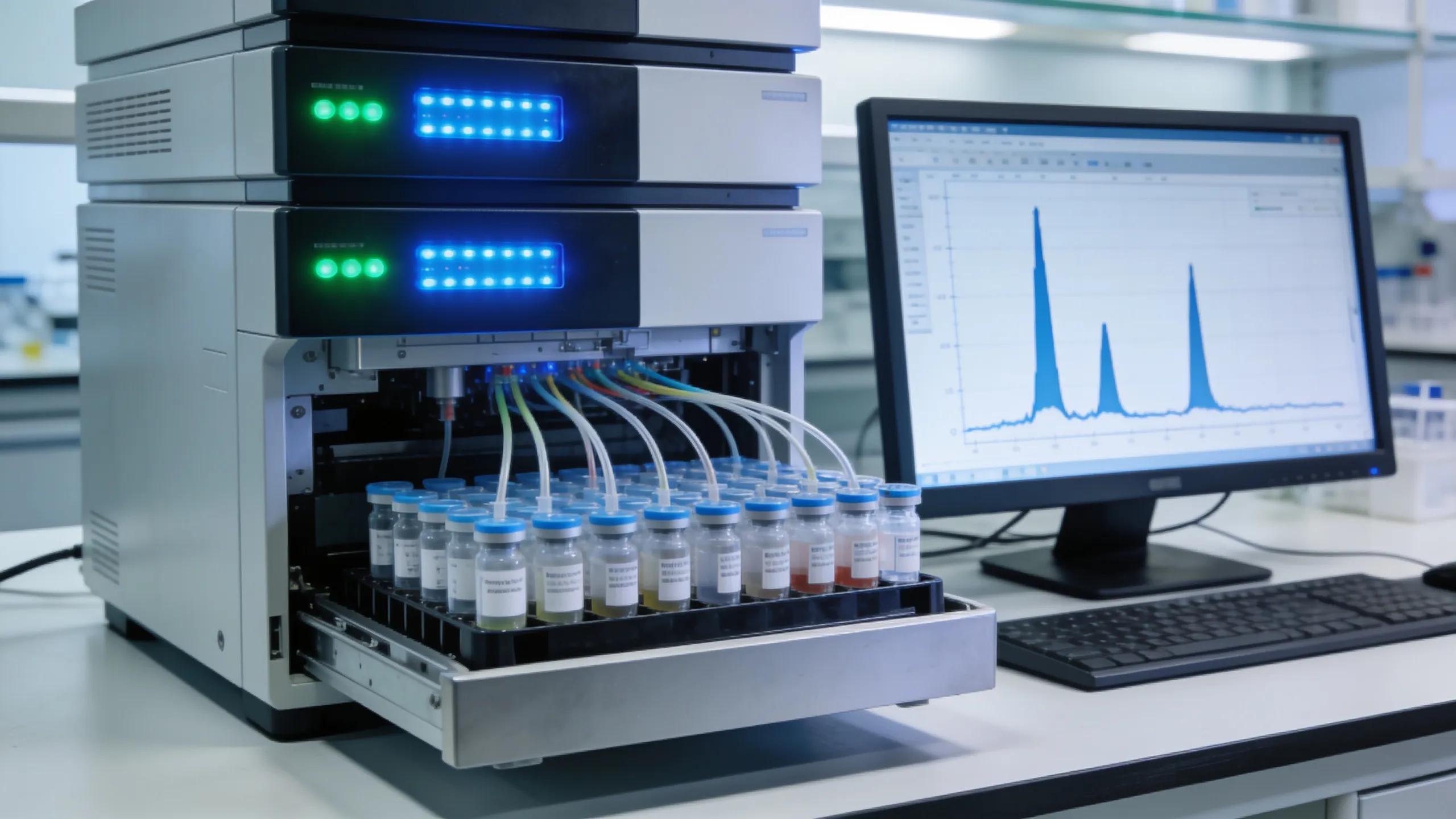
Achieving and verifying peptide purity is crucial in custom peptide synthesis, as even minor impurities can affect experimental outcomes. Advanced purification techniques are employed to isolate the desired peptides from side products and residual reagents. Techniques such as High-Performance Liquid Chromatography (HPLC) are commonly used to ensure that the final peptides have purities exceeding 95%.
HPLC for Peptide Purification and Characterization
1. High-performance liquid chromatography (HPLC) has proved extremely versatile over the past 25 yr for the isolation and purification of peptides varying widely in their sources, quantity and complexity. This article covers the major modes of HPLC utilized for peptides (size-exclusion, ion-exchange, and reversed-phase), as well as demonstrating the potential of a novel mixed-mode hydrophilic interaction/cation-exchange approach developed in this laboratory. In addition to the value of these HPLC modes for peptide separations, the value of various HPLC techniques for structural characterization of peptides and proteins will be addressed, e.g., assessment of oligomerization state of peptides/proteins by size-exclusion chromatography and monitoring the hydrophilicity/hydrophobicity of amphipathic α-helical peptides, a vital precursor for the development of novel antimicrobial peptides. The value of capillary electrophoresis for peptide separations is also demonstrated. Preparative reversed-phase chromatography purification protocols for sample loads of up to 200 mg on analytical columns and instrumentation are introduced for both peptides and recombinant proteins.
HPLC analysis and purification of peptides, Y Chen, 2007
What Role Does HPLC Purification Play in Ensuring Peptide Purity Above 95%?
HPLC purification is essential for achieving high peptide purity by separating analytes based on their molecular interactions with a stationary phase. The HPLC process involves several steps: sample preparation, selection of appropriate columns, and optimization of solvent conditions. This technique can effectively isolate pure peptides and eliminate contaminants, thus ensuring that researchers receive products that meet rigorous quality standards.
How Are Analytical Parameters Optimized in Peptide Purification Protocols?
Optimizing analytical parameters in purification protocols is crucial for maximizing the effectiveness of techniques like HPLC. Researchers adjust variables such as flow rates, gradient compositions, and column types to enhance separation efficiency. By understanding these parameters, scientists can improve the overall yield and purity of their synthesized peptides, ultimately leading to better experimental results.
What Are the Verification Techniques Used in Mass Spectrometry for Peptide Characterization?
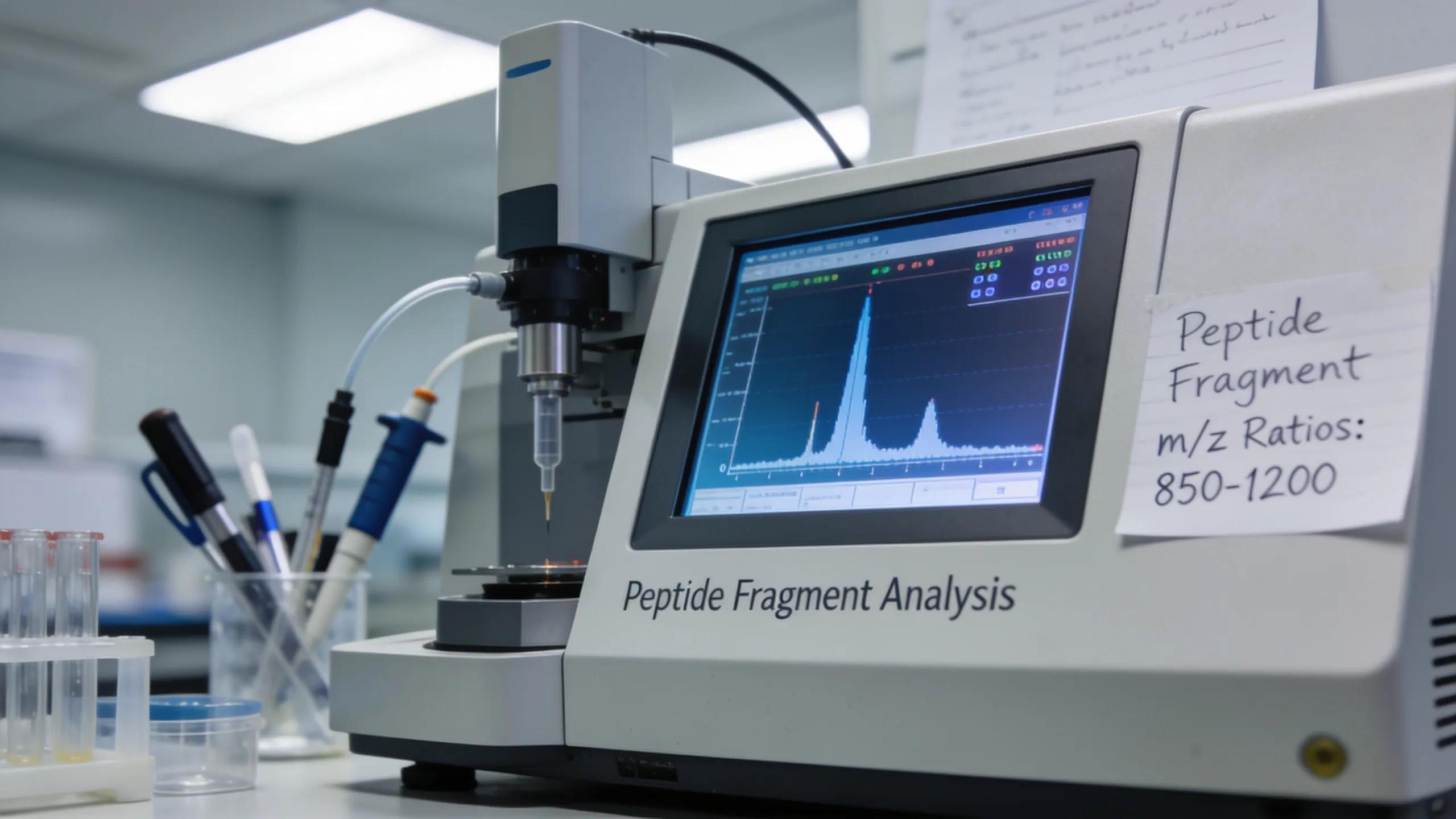
Mass spectrometry (MS) serves as a powerful verification technique in peptide characterization, providing detailed information about molecular weights and structures. By analyzing the mass-to-charge ratio of peptide ions, scientists can confirm the identity and purity of synthesized peptides. This data is invaluable for ensuring that peptides meet predefined specifications.
How Does Mass Spectrometry Confirm Peptide Molecular Weight and Sequence Accuracy?
Mass spectrometry confirms peptide molecular weight through a process called ionization, which generates charged molecules that can be detected and analyzed. By comparing the measured mass to theoretical values, researchers can determine the accuracy of peptide sequences. This technique not only verifies molecular weights but also provides insights into the sequence integrity of synthesized peptides.
What Quality Control Metrics Are Derived from Mass Spectrometry Data?
Quality control metrics derived from mass spectrometry data include molecular weight determination, sequence confirmation, and the detection of post-translational modifications. These metrics are critical in assessing the reliability of synthesized peptides. Regular monitoring of these elements ensures that any deviations from expected results are quickly identified and addressed.
How Do Quality Assurance Standards and Customer Support Facilitate Optimal Custom Peptide Procurement?
Quality assurance standards and robust customer support structures play a pivotal role in the procurement process for custom peptides. By adhering to stringent quality control protocols, companies can guarantee that their peptide products meet all necessary research-grade specifications. Effective customer support assists researchers in navigating the intricacies of peptide synthesis, ensuring they receive the right products tailored to their experimental needs.
What Laboratory Result Data Should Researchers Expect for Transparency?
Transparency in laboratory result data encompasses detailed Certificates of Analysis (COAs), which specify the purity, identity, and concentration of peptides. Researchers should expect to receive comprehensive documentation that outlines testing methods and results, providing assurance of the quality they are procuring. Accurate and transparent reporting fosters trust and accountability between suppliers and researchers.
How Does Technical Customer Support Enhance Ordering and Specification Accuracy?
Technical customer support enhances ordering and specification accuracy by offering personalized guidance throughout the procurement process. Support teams can assist researchers in selecting appropriate peptide sequences, ensuring proper specifications are met and tailored solutions are provided. This direct communication helps mitigate errors and enhance overall customer satisfaction.
The integration of these methodologies forms the backbone of effective peptide synthesis, each serving a unique role in ensuring quality and reliability for research applications.